 STREAM PROTOCOL
42:00TO SETTLEMENT
Money, in motion.
Trading fees become a productive treasury.
SOL STREAM
LIVE TRADESFees collected
EST. CURRENT EPOCH—SOLMARKET VOLUME · 1H—
FETCHING LATEST TRANSACTIONS…
TREASURY
Productive treasury
TOTAL TREASURY—SOL
JITOSOL STREAM
STRATEGY ESTIMATEAccrued since last epoch
—JitoSOL
JitoSOL native yield + Kamino lending market
FEE SHARE INVESTED 30%COMBINED TARGET APY —
FEE ROUTING50 / 20 / 3050%TRADER CASHBACK20%HOLDER REWARDS30%PRODUCTIVE RESERVE
◌ Solana↗ PumpSwap◉ Jito◇ Kamino◊ DexScreener⌁ PublicNode_ Helius RPC◐ Phantom◒ Solflare▱ Backpack
Every trade
feeds the system.
A fee is captured from each eligible swap and collected in the treasury. At settlement it separates into three transparent, onchain flows.
One hour.
One settlement.
The epoch clock reaches zero, the keeper closes the period, calculates every participant's share and publishes the distribution.
SOL flows back
to active traders.
Half of the collected fee pool returns to traders. The more eligible fees an address paid during the epoch, the larger its SOL cashback.
Ownership defines
the reward weight.
The holder pool is distributed proportionally. Larger eligible balances receive thicker reward streams while every qualifying holder remains visible.
The treasury
compounds itself.
The retained share moves into JitoSOL staking and Kamino lending. Yield is added back to principal so every future epoch starts from a larger base.
--:--TO SETTLEMENT
Fees collected— SOL
Trader cashback50%
Holder rewards20%
Productive reserve30%
PRODUCTIVE RESERVE30%
STRATEGYJitoSOL + Kamino
PRINCIPALA(t) = P(1 + r/n)ntYIELD IS REINVESTED EACH EPOCH
Technical architecture
One settlement engine.
Three verifiable routes.
Proposed architecture · Solana
Fees move through program-controlled accounts. The keeper can trigger settlement, but cannot custody or redirect protocol funds.
Collect
Trading fees land directly in the fee collector PDA.
Settle
The keeper triggers the immutable hourly settlement instruction.
Distribute
Program state determines every trader and holder allocation.
Compound
Strategy yield returns to principal for the following epoch.
Keeper cannot withdraw
Splits fixed in program
Public settlement state
Allowlisted strategy adapters
STAKER PAYOUT70%
BOOSTUP TO 3X
COMPOUNDINGHOURLY
06 / ENTER THE STREAM
Stake the flow.
Stake the flow.
Own your share.
Trading fees become productive capital. Stake STREAM to participate in the yield distributed by the protocol treasury.
DeFi, decoded.
Dive into the fundamentals of DeFi through the STREAM research library. Learn how liquid staking generates yield, how productive collateral unlocks liquidity, and how fees, risk and compounding work together on-chain.

What JitoSOL
Actually Earns
JitoSOL is a liquid receipt for productive SOL. Its return combines validator staking, variable MEV revenue, and an exchange rate that appreciates as rewards enter the pool.
READ ARTICLE ↗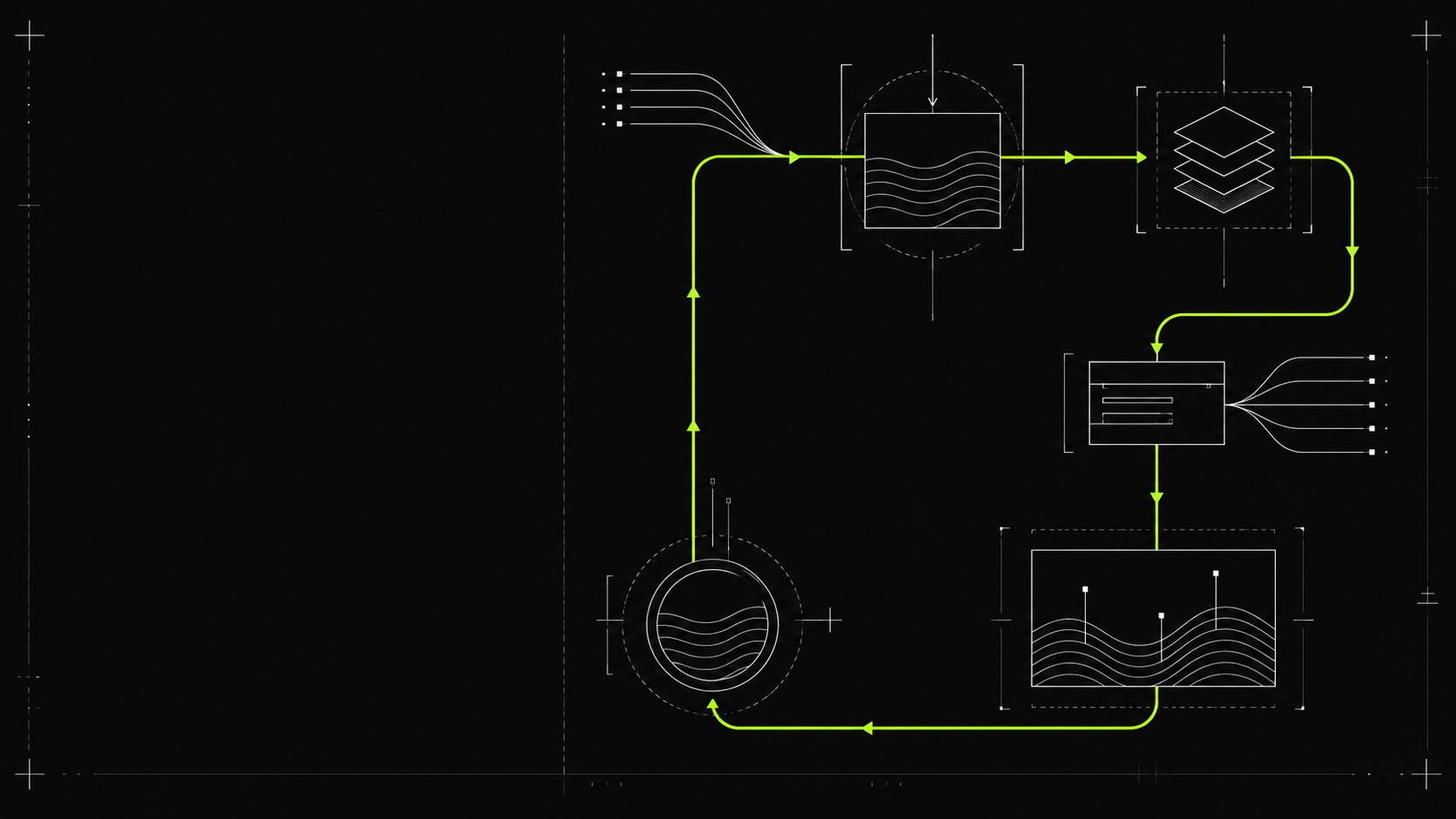
Why Borrow SOL
Against JitoSOL
Borrowing against JitoSOL unlocks liquidity without selling productive collateral. The strategy works only when the deployed SOL earns more than its debt costs.
READ ARTICLE ↗
Derivatives &
the New Economy
Modern DeFi is not one pool but an architecture. Liquid staking, credit, fees, and compounding become useful only when each layer has a purpose and a risk budget.
READ ARTICLE ↗Protocol,
unpacked.
The essential mechanics behind staking, treasury allocation, compounding and variable protocol yield.
HOW IS A STAKER'S SHARE CALCULATED?+
Ten percent of the total STREAM supply is allocated to staking. A wallet holding 2% of total supply therefore controls 20% of that fixed staking pool and receives the corresponding share of distributed strategy yield.
WHAT MAKES THE TREASURY PRODUCTIVE?+
Thirty percent of creator fees enters the treasury. The strategy keeps JitoSOL staking exposure, borrows SOL against that collateral and deploys the liquidity into the Kamino lending market.
HOW DOES COMPOUNDING WORK?+
When compounding is enabled, generated strategy yield returns to principal every hour. New creator fees also expand the productive base, so future yield is calculated on a larger treasury.
ARE THE DISPLAYED RETURNS GUARANTEED?+
No. Creator fees, JitoSOL yield, borrowing costs and Kamino rates are variable. All projections remain estimates and the strategy carries smart-contract, liquidity, oracle, market and liquidation risk.